Makhova Vladyslava
2+ years of experience

Product | UX/UI designer Makhova Vladyslava

📍 Kyiv, Ukraine

Contact me

About me

A short interview with me

1

Why UX/UI design in particular?

I knew I wanted to be a designer since childhood — I just didn’t know which kind. After trying my hand at web design, I realized that I wanted to build more than just simple landing pages.

Transitioning into UX/UI made me see the designer as an architect — someone who constructs interfaces where clean logic drives business value.

2

If AI can generate whole flows, what’s left for designers?

The designer’s role definitely won’t be what it was — and I don’t see that as a threat. I think we’ll work more on top of ready-made AI products, and a big part of that will be fixing the chaos they create. AI can generate a complex flow in seconds, but it isn’t human — it can’t know whether people actually understand a product. Only real users can.

So designers will do even more of the human part: testing solutions on real users, running A/B tests, validating flows. We become the ones who turn AI’s raw output into something that truly works.

5

How exactly do you use AI in your work?

Firstly, I use AI exclusively in projects where it is permitted. Secondly, most of the time, AI helps me put together prototypes. It saves an incredible amount of time, allowing me to quickly sketch out a structure and move from an idea to the first tests.

Thirdly, I use it to analyze research, but with a critical eye. AI is brilliant at clustering large amounts of feedback, but I always double-check its conclusions manually so as not to miss important human nuances.

And most interestingly, I use AI to create my own products. For example, I developed and launched my current portfolio website entirely using Claude. I love that AI gives me, as a designer, the superpower to turn my ideas into a real project all by myself.

6

What do you get up to outside of work? Do you have any hobbies?

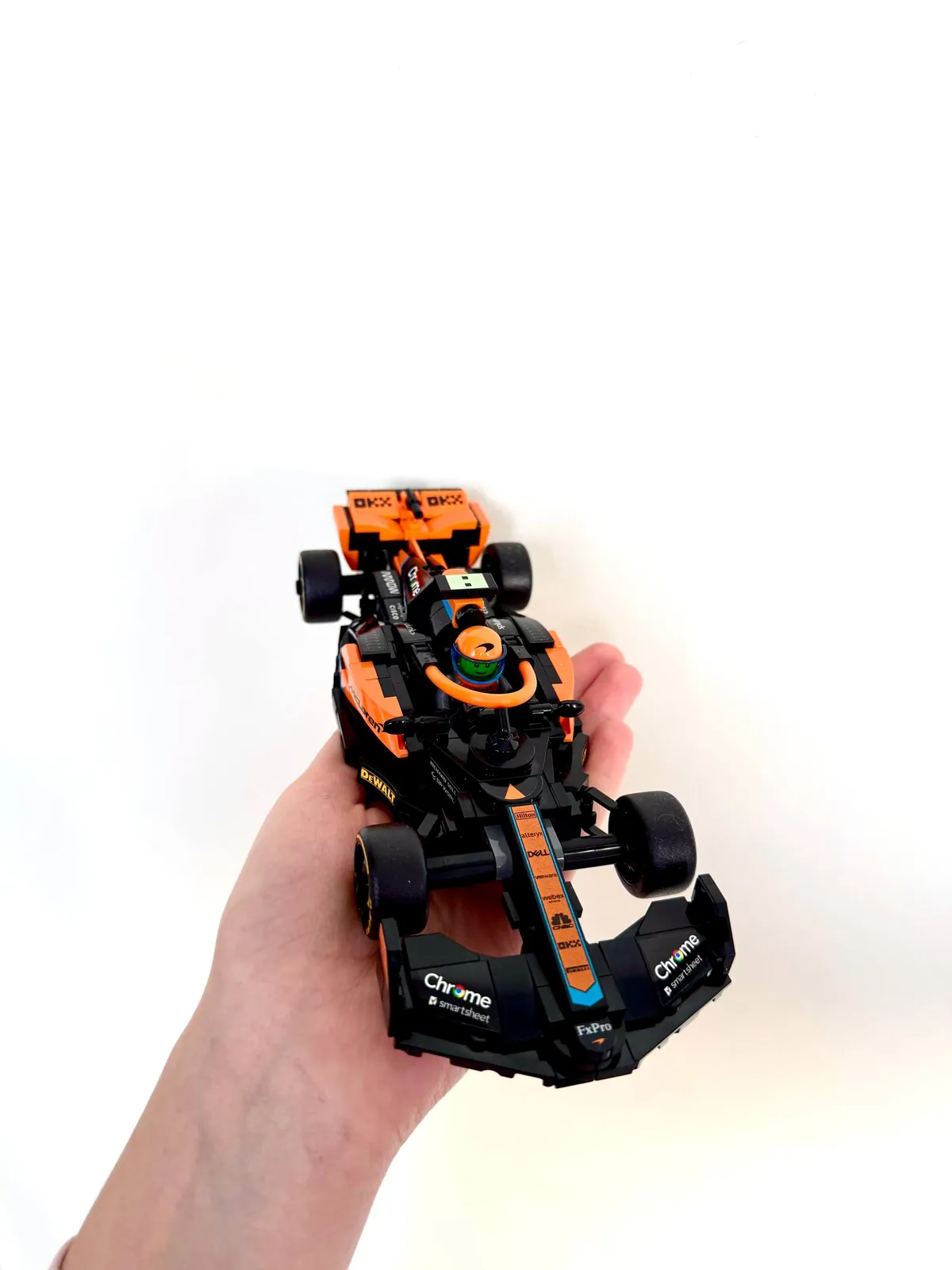
My work is a screen, so outside it I try to be anywhere else — long walks around the city, travelling, sport. In winter I move indoors: knitting, board games, LEGO. And every so often I remember that I can paint.

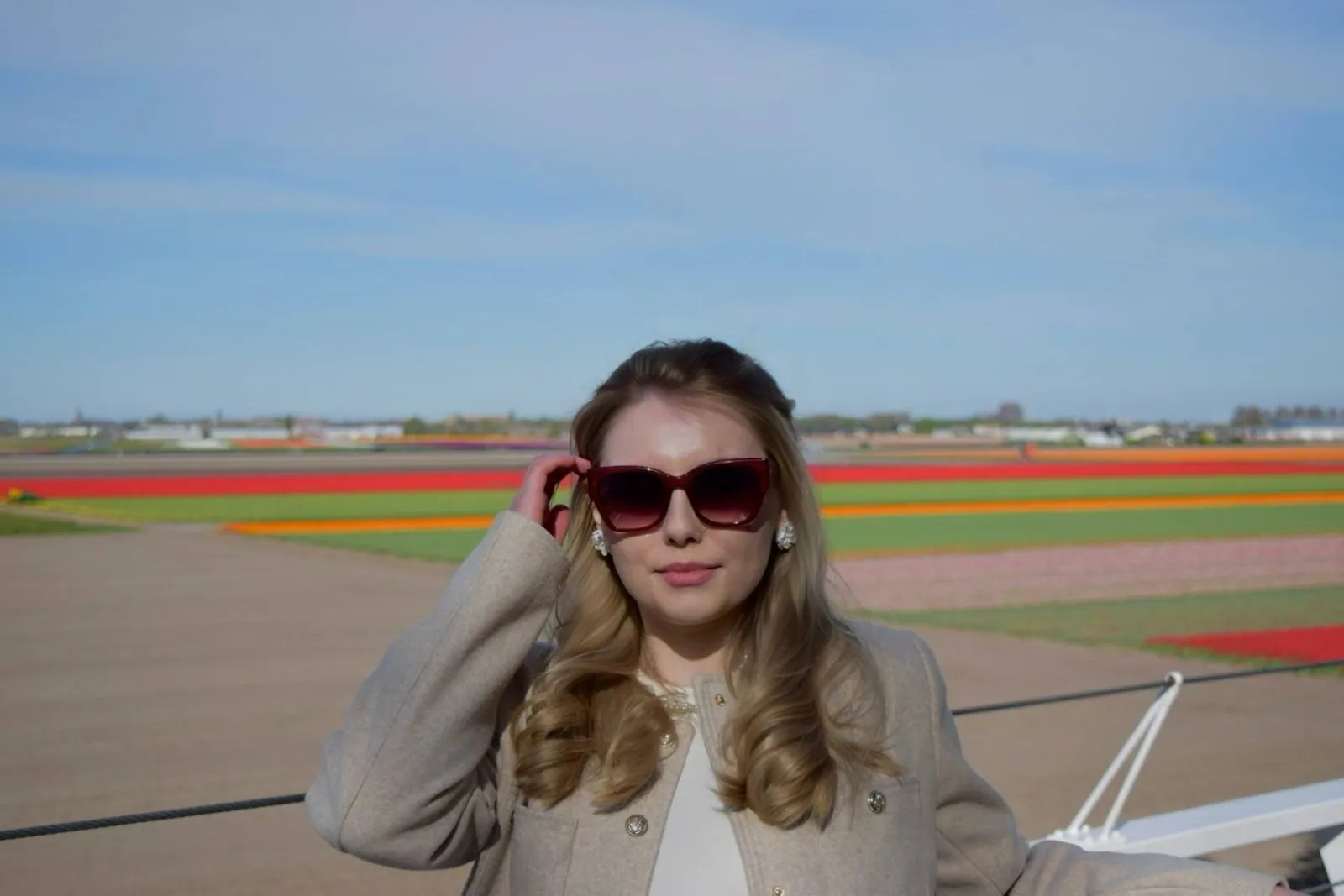
Travelling — tulip fields
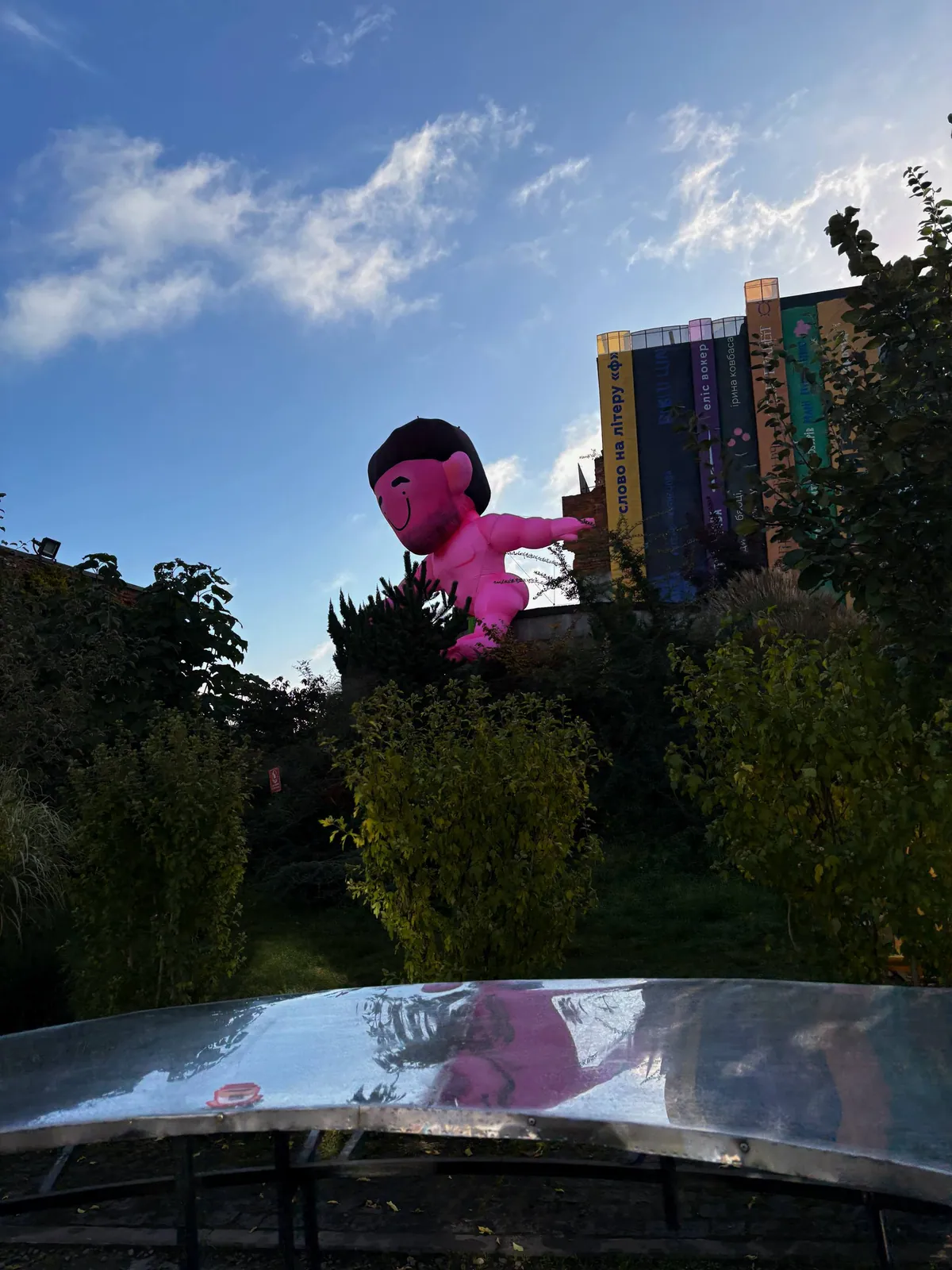
Personal moment
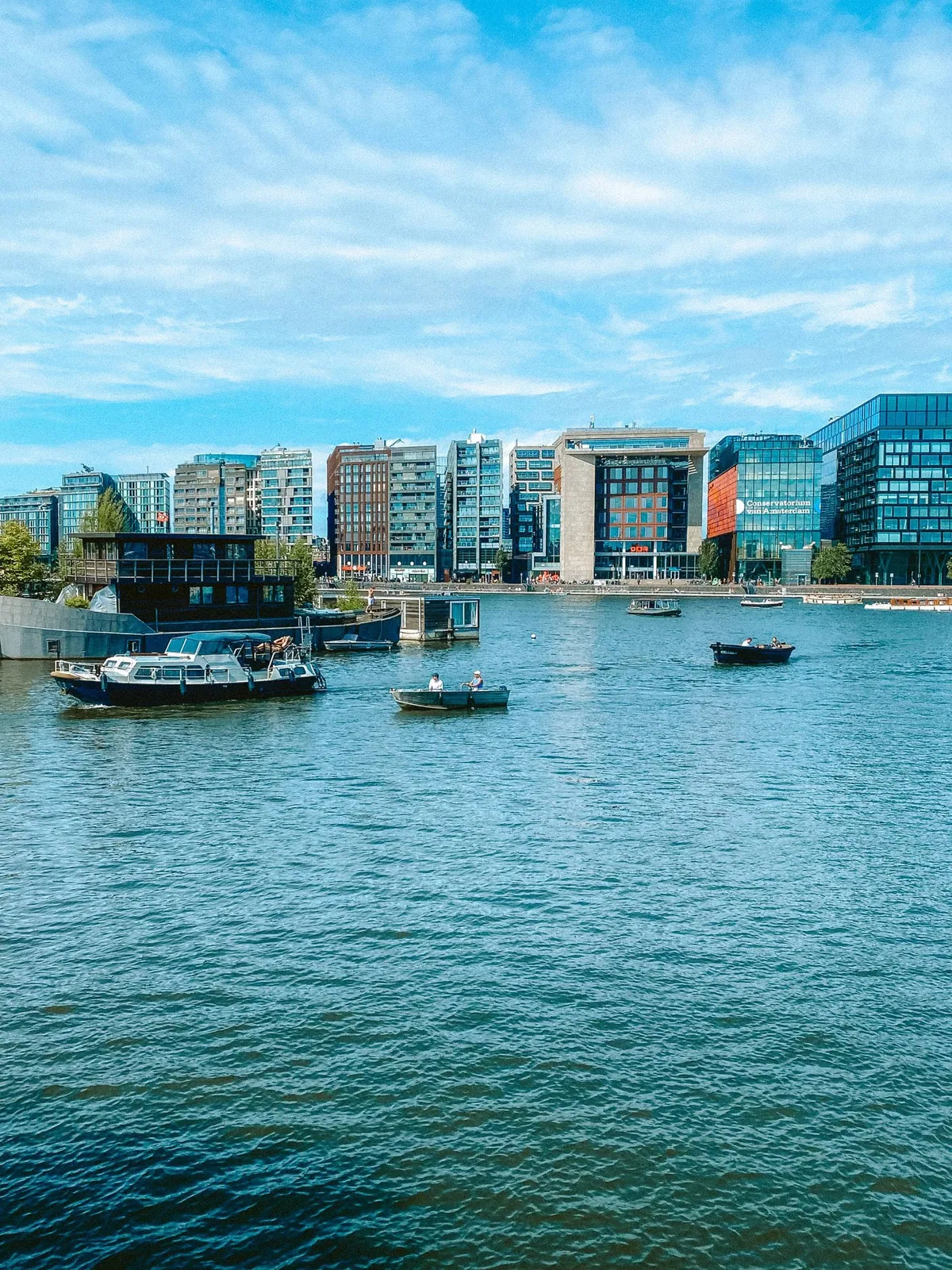
Amsterdam canals — long city walks
LEGO McLaren F1 build
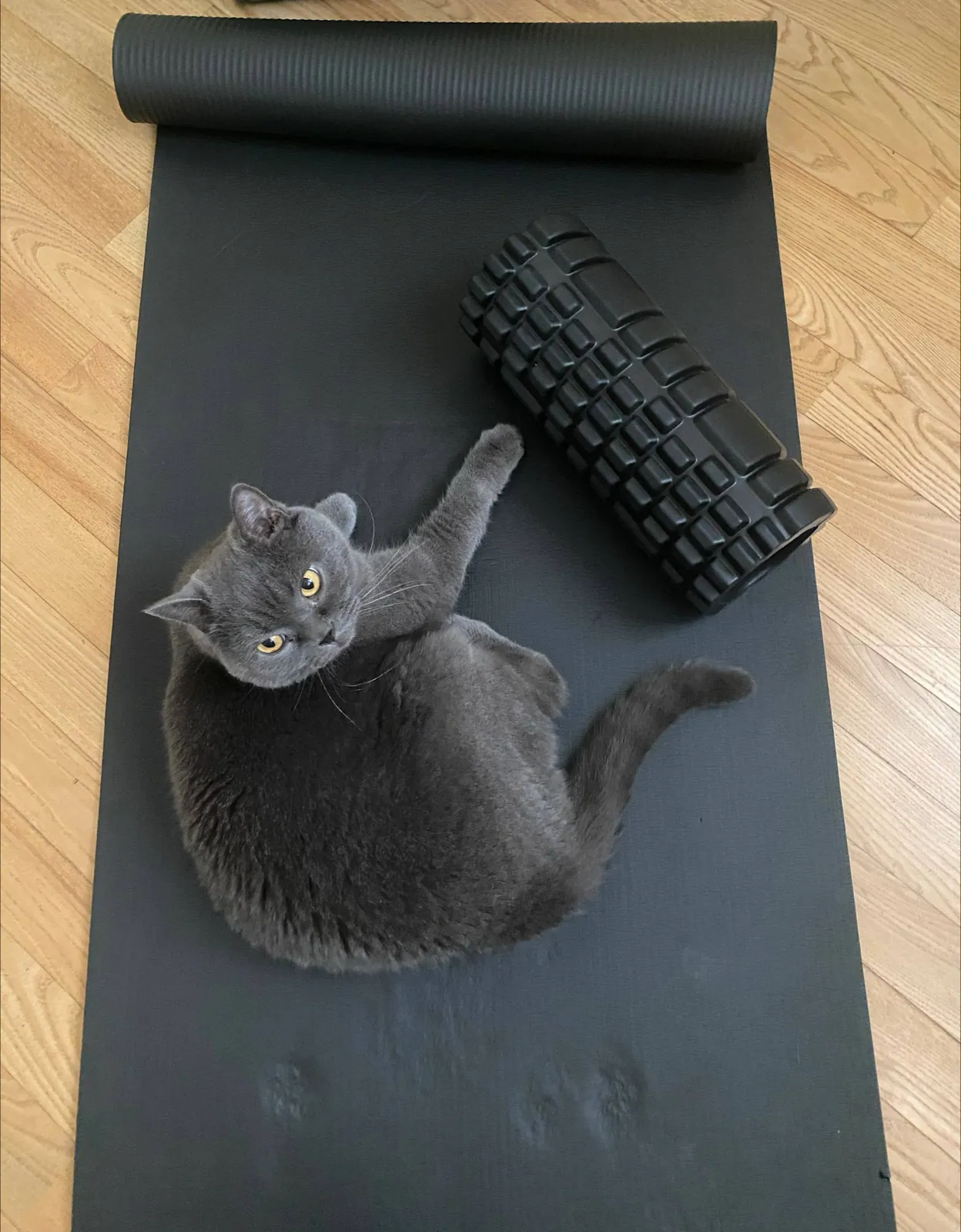
Cat on a yoga mat
3

How do you measure the success of your design?

For me, design is successful when it works. First, from the user’s perspective, it’s about how smoothly they can achieve their goals without any friction.

Second, from the team’s perspective, it’s about efficiency — how fast the engineering team can implement the solution without endless alignment loops.

And finally, for the business, success means that the design drives metrics and brings financial value.

4

How do you know when you’ve done enough research to move on to design?

It’s a very flexible process, and in my experience it’s always depended on the scope of the project.

On one project, we might spend months digging into the research because the niche was complex, while on another, a week was enough to build up a database and move on.

Recommendations

Serhii Voronko

Business Analyst at Nova Digital

Military Project

I really enjoyed working with Vladyslava and would highly recommend her. She is a talented designer with a great eye for design and strong attention to detail.

Nataliia Lozova

Project Manager at Creative Practice

Project: Rework

On the Rework project, Vladyslava worked as part of a multidisciplinary team — contributing to user research, shaping the product concept, and designing the web application itself. Her key contribution was the AI assistant flow: she thought through the user experience, interactions, and logic behind it, and also created the project’s logo.

Tetiana Cherednichenko

Product Designer

Project: Rework

Collaborating with Vladyslava was professional and consistently effective. She brings calm and sincerity into teamwork, communicates directly and respectfully, listens carefully, and engages without defensiveness — qualities especially valuable in cross-functional product work.

Anatoly Popel

Co-Founder and CEO at CASES Group

Project: Rework

Vladyslava worked through a full end-to-end product journey — from an initial idea to a functional interactive prototype. She worked with stakeholder and user interviews, developed user journeys and personas, built the product’s information architecture, and delivered a cohesive interactive prototype in Figma.

Tools I work with

These are my go-to tools, but I adapt to your stack — always picking up new skills, and working closely with AI.

Certificates

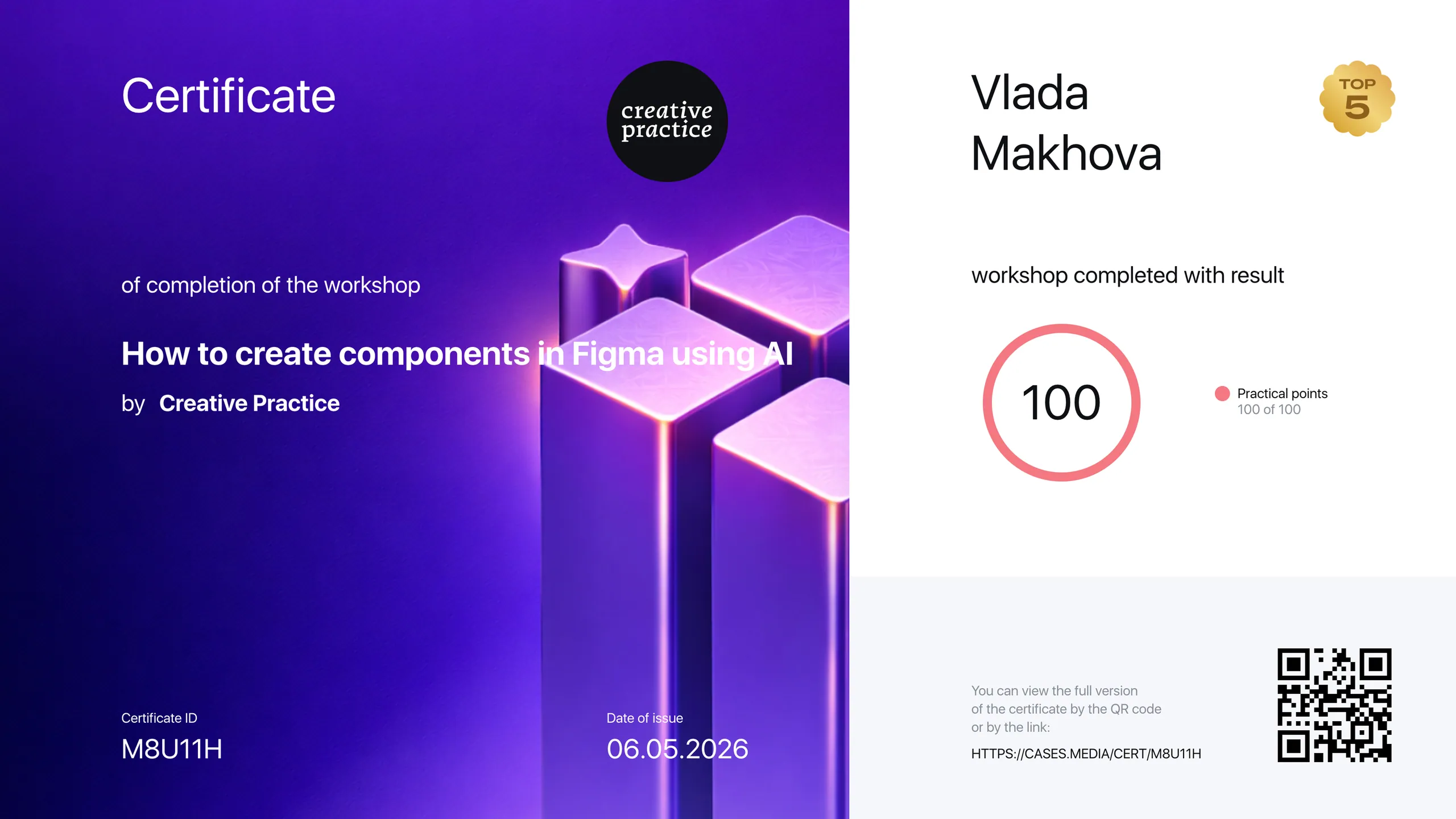
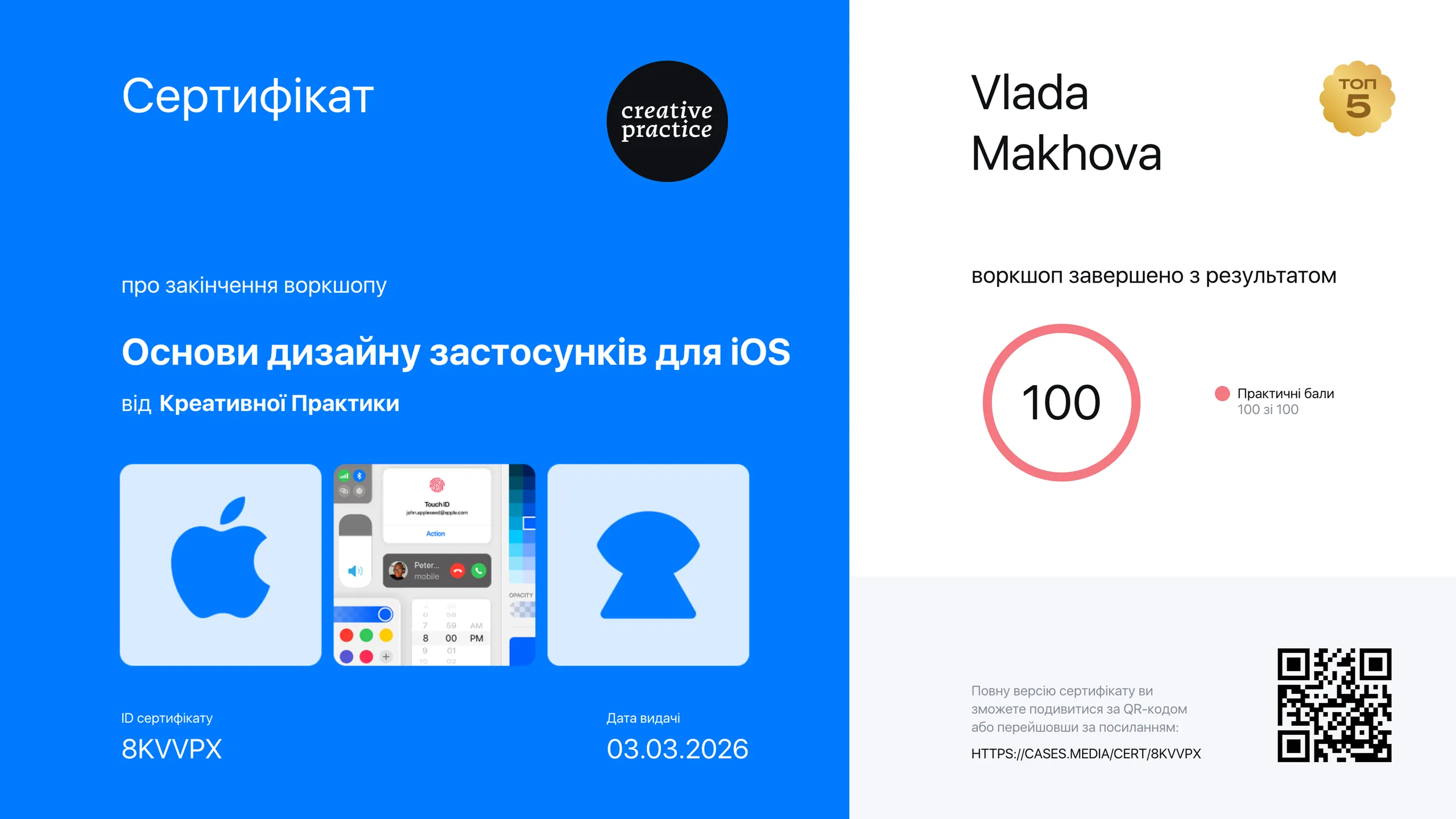
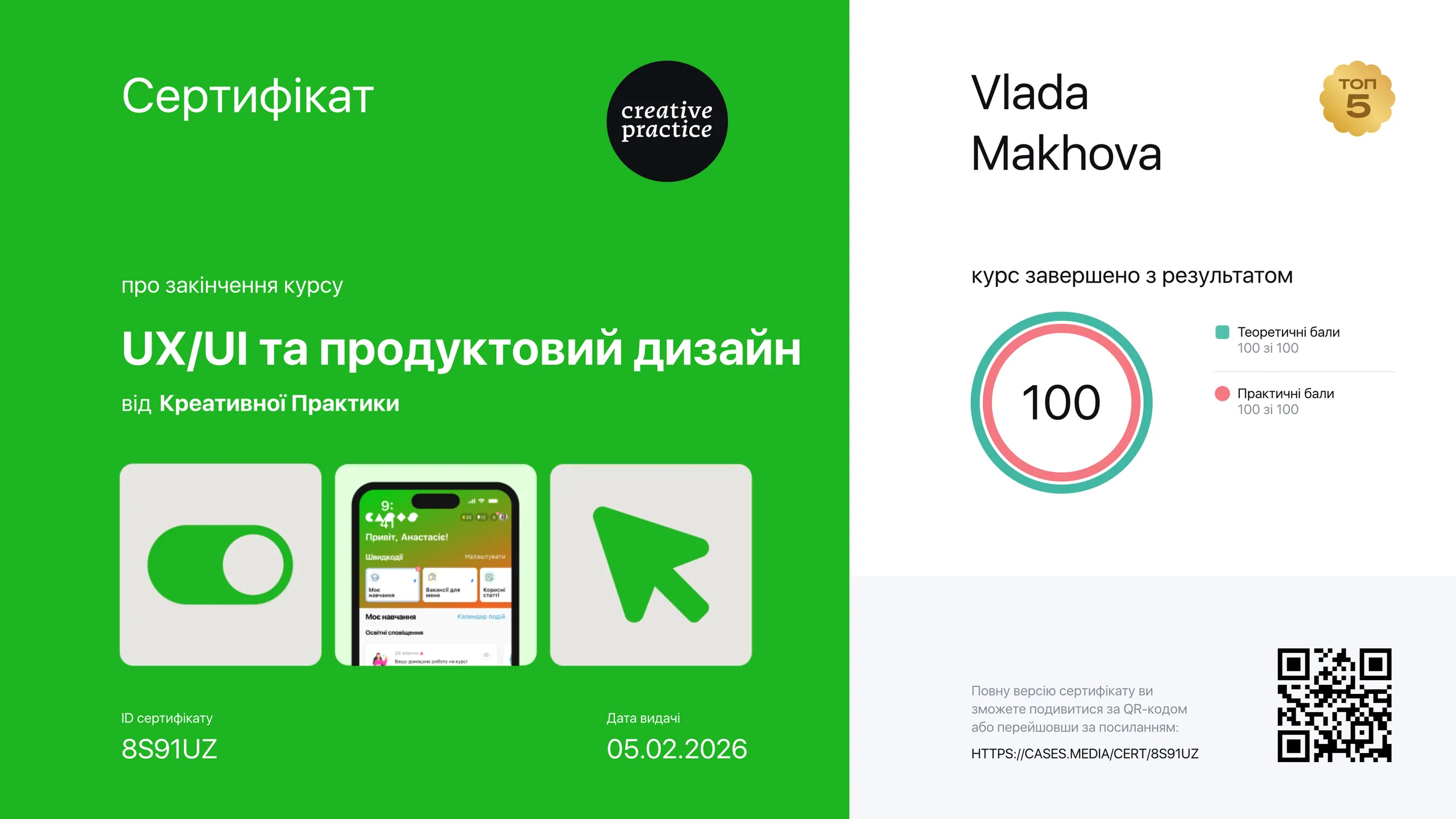
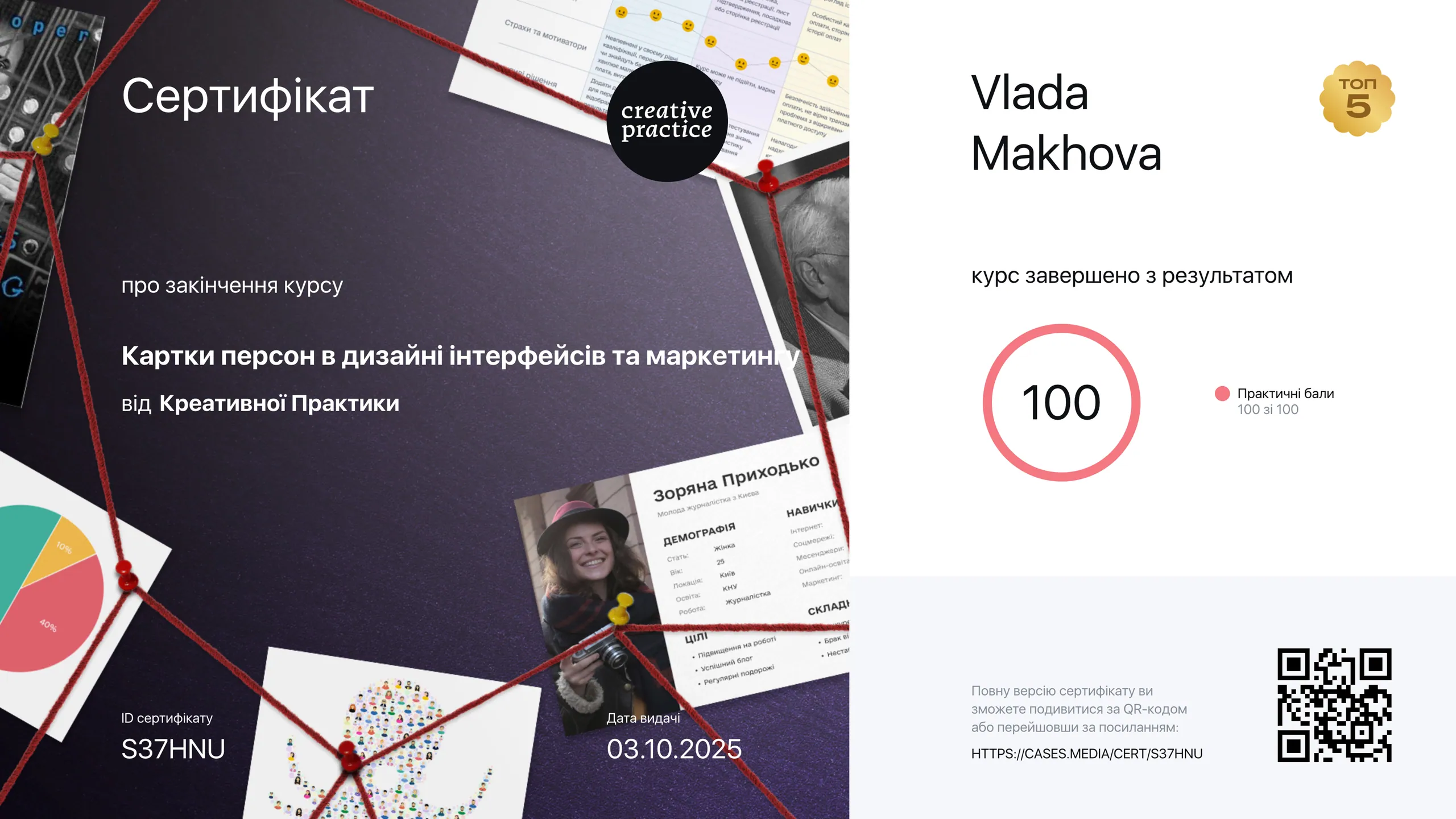
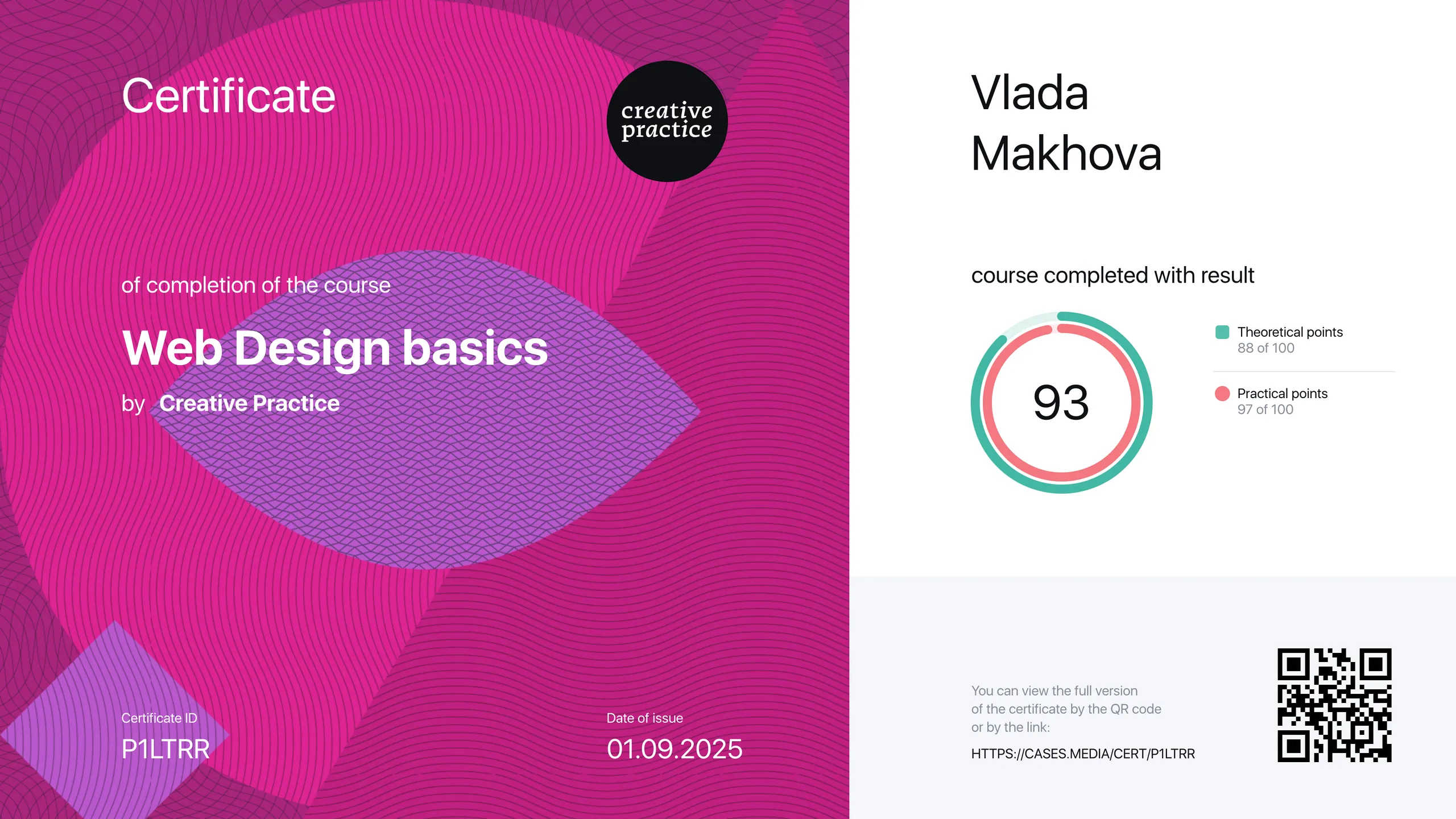
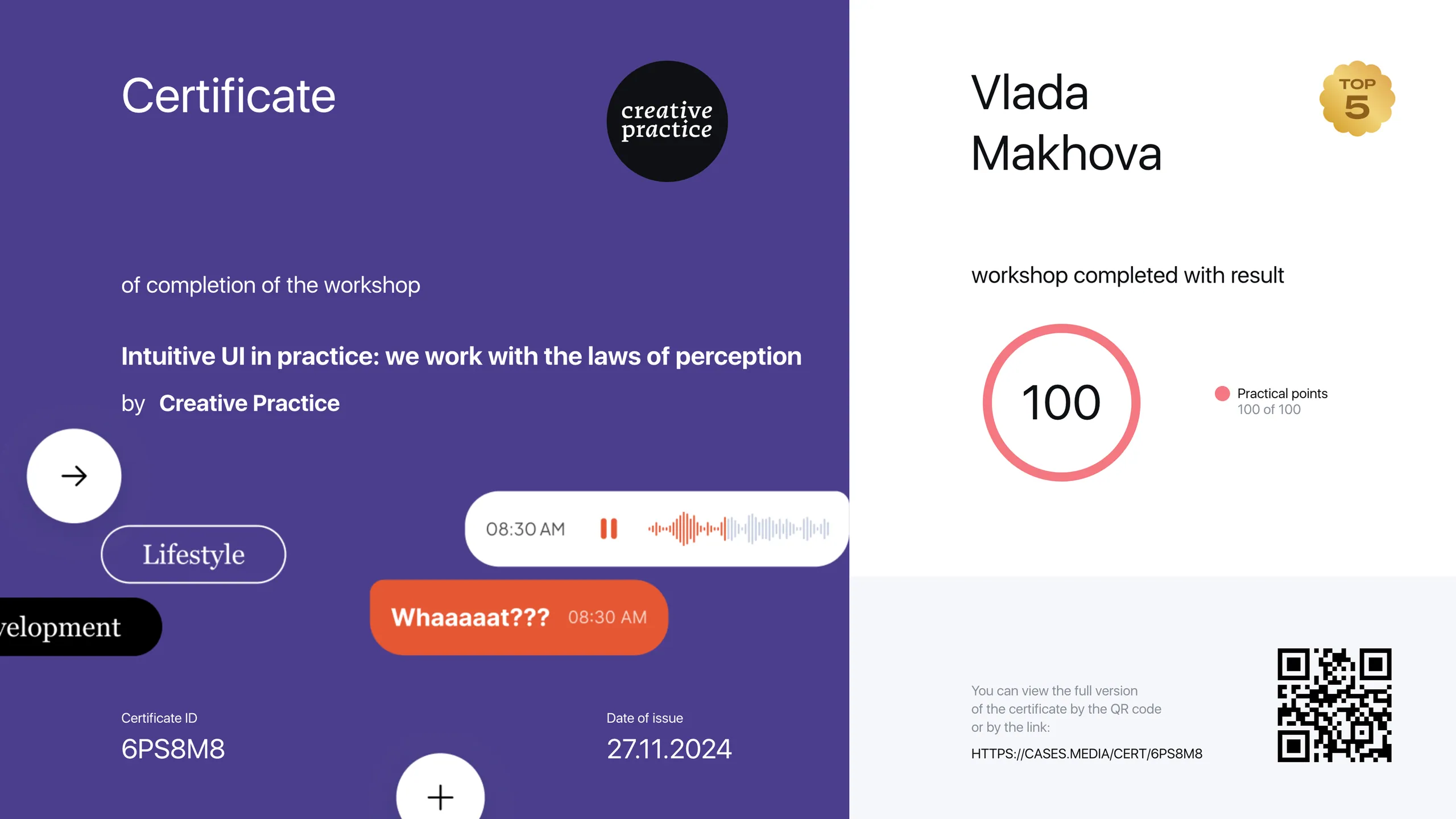
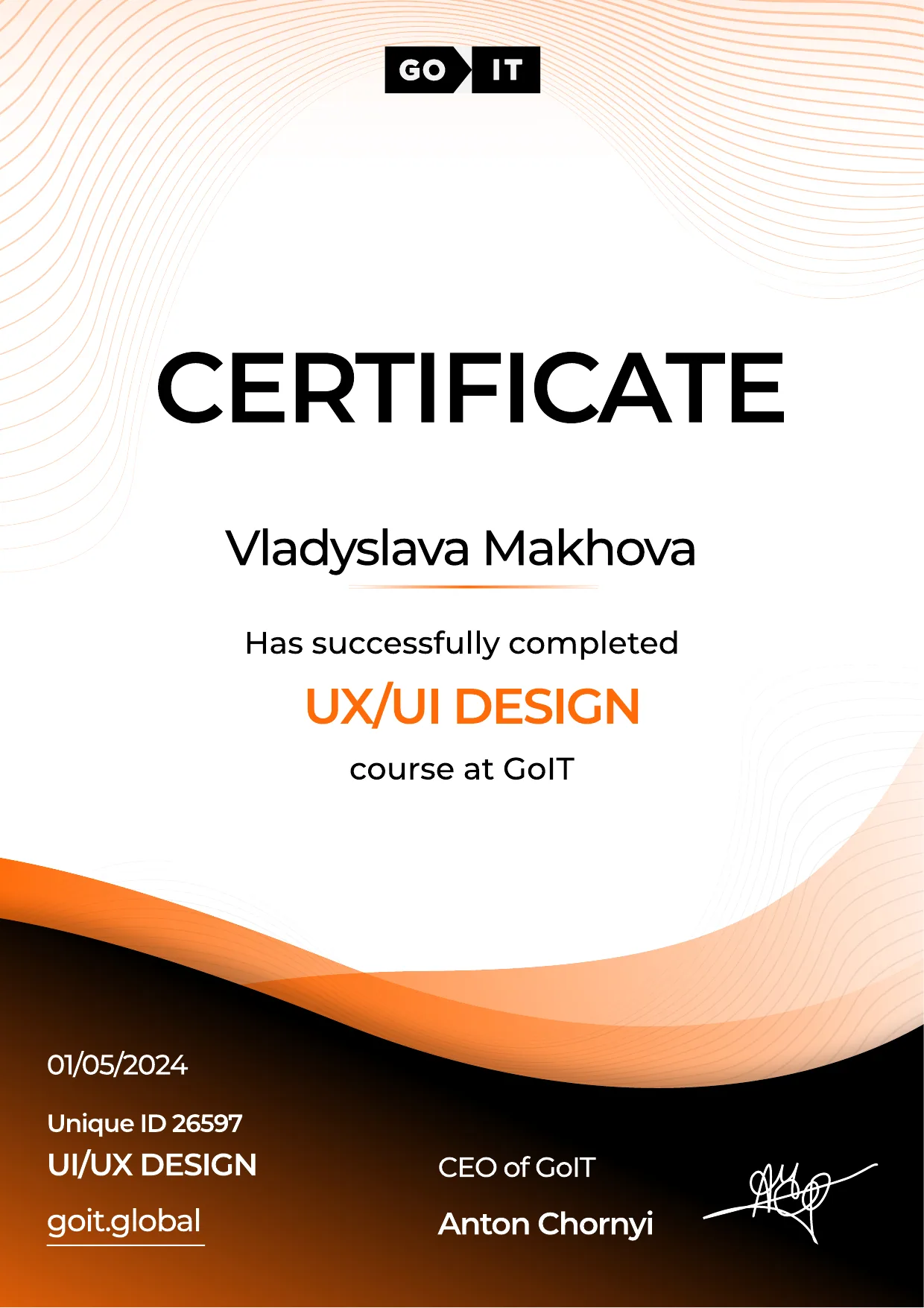
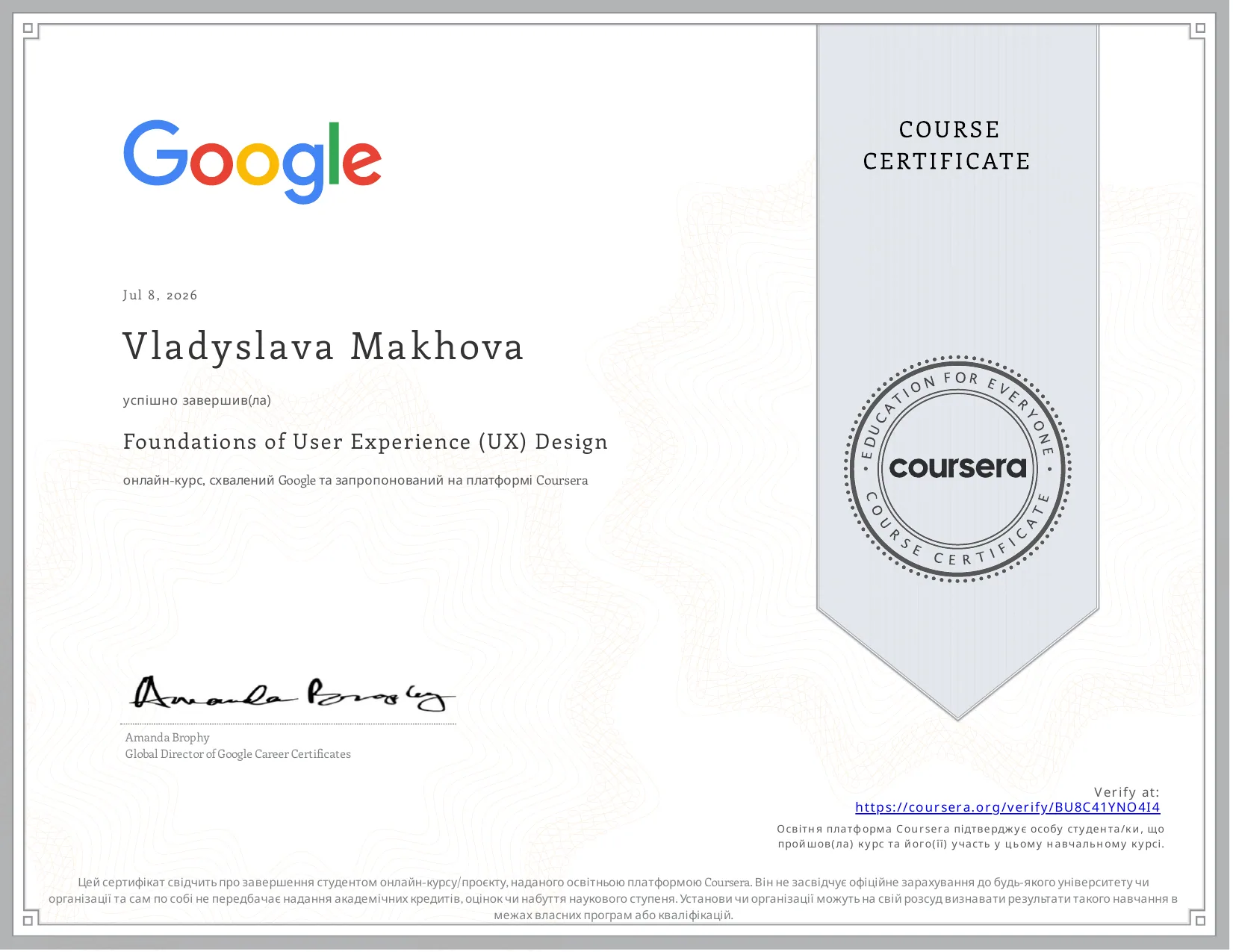
Components in Figma using AI certificate iOS app design fundamentals certificate UX/UI and product design certificate Personas certificate Web design basics certificate Intuitive UI certificate UX/UI design course certificate Google Foundations of UX Design certificate